

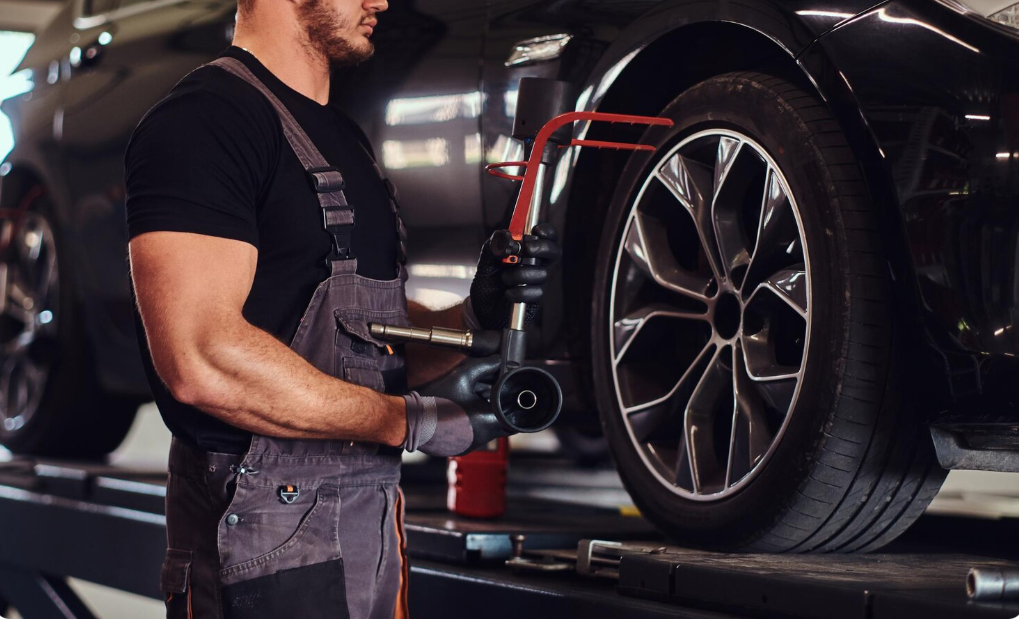
Wheel alignment is one of the most overlooked aspects of vehicle maintenance. Many drivers continue operating vehicles with poor alignment for months or even years without realizing how much damage it can gradually cause.
Although alignment problems may seem minor at first, improper wheel positioning affects tires, suspension systems, steering components, and overall driving stability. Over time, poor alignment can shorten a vehicle’s lifespan and increase long-term maintenance costs significantly.
Alignment Affects How Tires Contact the Road
Wheel alignment determines how tires sit and move against the road surface.
Proper alignment helps ensure:
-
Even tire wear
-
Stable steering
-
Predictable handling
-
Efficient fuel usage
When alignment angles shift outside factory specifications, tires no longer make proper contact with the road.
This creates uneven pressure that accelerates wear across multiple vehicle systems.
Potholes and Rough Roads Commonly Cause Alignment Problems
Alignment issues often develop gradually through everyday driving.
Common causes include:
-
Potholes
-
Curbs
-
Rough roads
-
Minor collisions
-
Suspension wear
Even a relatively small impact can slightly shift suspension geometry.
Drivers may not notice the change immediately, especially if the vehicle still feels mostly normal during routine driving.
Uneven Tire Wear Is One of the First Signs
One of the clearest warning signs of poor alignment is uneven tire wear.
Misaligned vehicles may develop:
-
Bald inner tire edges
-
Feathered tread patterns
-
Rapid wear on one side
-
Irregular tire surfaces
Because tires no longer wear evenly, they often need replacement much sooner than expected.
Tire replacement costs can rise quickly if alignment problems continue unresolved.
Poor Alignment Makes Steering Less Stable
Alignment problems also affect steering response and vehicle control.
Drivers may notice:
-
Pulling to one side
-
Crooked steering wheels
-
Wandering at highway speeds
-
Reduced steering precision
These symptoms often become more noticeable during:
-
Highway driving
-
Wet weather
-
Sharp turns
-
Emergency maneuvers
Poor steering stability can increase driver fatigue during long trips and reduce overall driving confidence.
Suspension Components Experience Additional Stress
Misalignment places extra strain on suspension and steering components.
Over time, this additional stress may accelerate wear involving:
-
Ball joints
-
Tie rods
-
Bushings
-
Wheel bearings
-
Shocks and struts
Instead of distributing force evenly, misaligned systems create abnormal movement and pressure during driving.
As suspension wear increases, alignment problems often become even worse.
Fuel Economy Can Decline
Alignment issues also affect fuel efficiency.
When tires drag improperly against the road, the engine must work harder to maintain speed.
This increased rolling resistance may lead to:
-
Reduced fuel economy
-
Faster tire wear
-
Additional drivetrain stress
Although the fuel economy loss may seem small initially, long-term operating costs can rise noticeably over time.
Vibrations and Handling Problems Often Develop Slowly
Many alignment-related problems appear gradually rather than suddenly.
Drivers may slowly adapt to:
-
Steering vibrations
-
Uneven handling
-
Increased road noise
-
Tire humming
Because the decline happens over time, some owners do not realize how much the vehicle’s driving quality has changed until repairs become more extensive.
Regular inspections help identify alignment issues before major damage develops.
Alignment Problems Become More Common in Older Vehicles
As vehicles age, suspension wear naturally increases.
Older cars commonly develop alignment problems because of:
-
Worn bushings
-
Loose steering components
-
Suspension fatigue
-
Rust-related wear
Even vehicles receiving regular tire replacements may continue wearing tires unevenly if underlying alignment issues remain unresolved.
High-mileage vehicles are especially vulnerable because multiple suspension parts may weaken simultaneously.
Why Some Owners Delay Repairs
Many drivers postpone alignment service because the vehicle still appears drivable.
However, delaying corrections often leads to larger expenses involving:
-
Tire replacement
-
Suspension repairs
-
Steering component wear
-
Reduced fuel economy
As these repair costs combine with other aging-related problems, continued ownership may eventually become financially difficult to justify.
This is one reason some owners eventually consider alternatives such as Cash For Junk Cars once long-term wear and repair costs begin exceeding the practical value of the vehicle.
Preventative Maintenance Helps Preserve Alignment
Drivers can reduce alignment-related wear through regular inspections and careful driving habits.
Helpful preventative steps include:
-
Checking alignment periodically
-
Rotating tires regularly
-
Avoiding potholes when possible
-
Replacing worn suspension parts promptly
-
Monitoring tire wear patterns
Early corrections often prevent much larger repair costs later.
Final Thoughts
Poor wheel alignment gradually affects tires, steering, suspension systems, fuel economy, and overall vehicle stability.
While alignment problems may begin subtly, ignoring them for long periods often accelerates wear throughout the vehicle and increases long-term maintenance expenses significantly.