

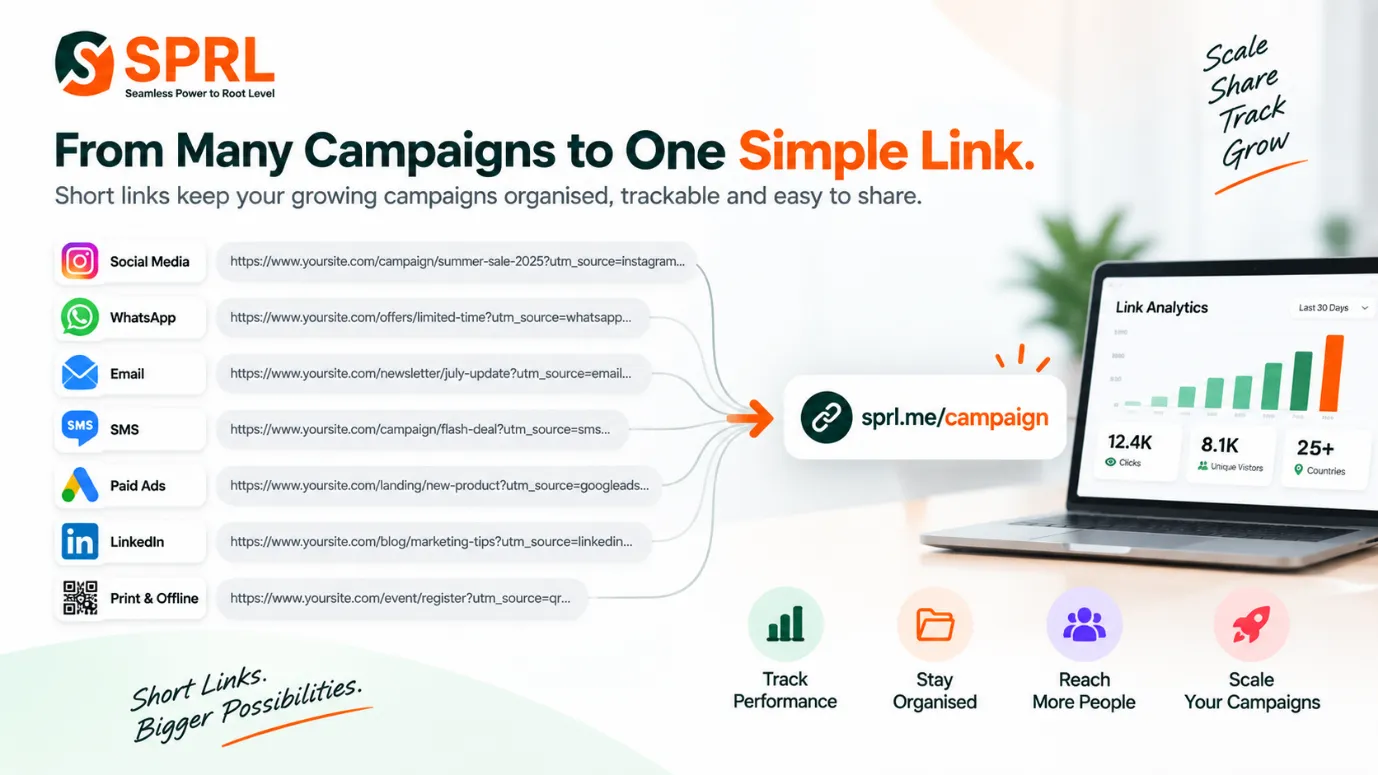
A growing digital campaign creates more links than most teams expect. Social posts, ads, emails, landing pages, product pages, influencer promotions, and customer messages can quickly produce a long list of URLs that becomes difficult to manage manually.
A reliable URL shortener can simplify those links and make them easier to share, organise, and measure. The value is not simply having fewer characters. A good link workflow can also help teams keep campaigns cleaner and understand how individual links are performing.
Long URLs Can Create Unnecessary Clutter
Long links can contain tracking parameters, product identifiers, campaign tags, and other information. They may work perfectly, but they can look untidy when pasted into social posts, presentations, SMS messages, or printed materials.
Short links create a cleaner format without changing the destination. This is particularly useful when the same marketing team works across several channels and wants links that are easier for customers, employees, or partners to handle.
Organisation Becomes Important as Campaigns Grow
A small business may begin with only a handful of campaign links. As new promotions launch, those links can multiply quickly. Different teams may create links for the same destination, while older campaign URLs remain mixed with active ones.
A simple naming and folder structure can reduce that confusion. Marketers can group links by campaign, channel, product, region, or date so reporting and later reuse become easier instead of relying on scattered spreadsheets or chat messages.
Analytics Give Links More Context
A click count can be useful, but it becomes more valuable when marketers can see where engagement is coming from. Device, location, referrer, and campaign information can help teams understand how people are reaching a destination.
These insights are not a complete picture of customer behaviour. They work best when combined with website analytics, sales information, and other business data to provide wider context.
Custom Links Can Support Brand Consistency
Random short URLs may be convenient, but branded domains and custom slugs can make shared links easier to recognise. A campaign can use a memorable ending that reflects a product, event, or offer instead of an unrelated string.
Consistency matters because customers often see links outside the original marketing context. A recognisable domain or slug can help a link feel connected to the business that shared it, especially in email, social media, or offline promotions.
Bulk Workflows Reduce Repetitive Tasks
Manually shortening one link at a time may be manageable for a small campaign. It becomes inefficient when a team needs hundreds or thousands of short URLs for product catalogues, affiliate programmes, customer communications, or large promotions.
A bulk URL shortener can process larger lists through copy-and-paste workflows or spreadsheet uploads. Teams can prepare source URLs in advance, apply consistent settings, and download results without repeating the same steps for every link.
Prepare the Source Data Before Processing
Bulk link creation works better when the original data is organised. Teams should remove duplicates, check that destination URLs are complete, and use clear spreadsheet columns so mistakes are easier to identify before links are generated.
Campaign parameters should also be planned. If UTM tags, expiry settings, or custom slugs are needed, defining a consistent format first can prevent different team members from applying conflicting naming systems.
Think About Where the Link Will Be Used
The best link setup depends on the channel. A social media bio may need a memorable URL, while an SMS campaign benefits from compact links that leave more room for the message. Printed QR codes create another set of requirements.
Marketers should avoid creating short links without considering their final use. Choosing the destination, tracking settings, custom name, and expiration rules at the start makes the link easier to manage throughout the campaign.
Security and Maintenance Still Matter
Short links should be managed with the same care as other marketing assets. Teams need to know who can create or edit them, where they redirect, and whether old links should remain active after a campaign ends.
Regular reviews can prevent outdated destinations from continuing to circulate. When a product page changes, an offer expires, or a campaign finishes, marketers should decide whether the link should be updated, redirected, or retired.
Conclusion
Link shortening becomes more useful when it is treated as part of campaign management rather than as a cosmetic step. Clean links, consistent naming, useful analytics, and organised tracking can reduce friction across marketing channels.
As campaign volume grows, the workflow matters even more. Preparing source data, using bulk tools where appropriate, and reviewing links over time can help marketing teams manage large numbers of URLs without losing visibility or control.