

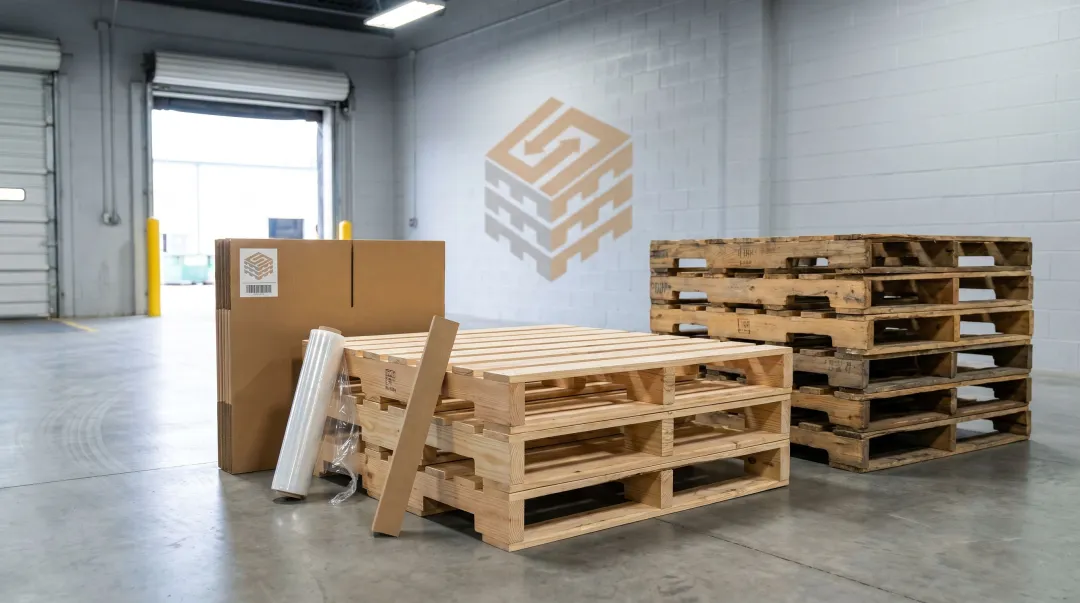
Pallet quality directly affects how efficiently businesses store, move, and transport goods. Damaged or unsuitable pallets can interrupt warehouse operations, while purchasing unnecessary new inventory increases costs. Companies evaluating used wooden pallets for sale should understand how pallet condition, construction, and handling requirements influence performance.
Properly inspected used wooden pallets can provide reliable support for routine commercial applications. Selecting the right pallets helps businesses maintain safe material handling practices and improve shipping efficiency.
Understanding the Quality of Used Wooden Pallets for Sale
Used wooden pallets are previously utilized platforms that have been recovered for additional commercial use. Their quality depends on factors such as age, previous handling, structural condition, and repair history.
Unlike new pallets, used pallets may show visible wear or contain replacement components. These characteristics do not automatically make them unsuitable for reuse.
Businesses should evaluate whether each pallet meets the structural and operational requirements of its intended application.
Important Quality Factors When Buying Used Wooden Pallets
Several factors determine whether used wooden pallets are suitable for storage and shipping activities.
Structural Condition
The condition of deck boards, stringers, blocks, and fasteners directly influences pallet performance.
Businesses should inspect used wooden pallets for cracks, broken components, protruding nails, and other damage that could affect handling.
Pallet Dimensions
Pallet dimensions must be compatible with warehouse equipment, racking systems, and transportation requirements.
The 48 x 40-inch wooden pallet is common in North American distribution, but many operations require different sizes.
Load Requirements
Pallet selection should account for product weight, load distribution, and handling conditions.
A pallet suitable for a light shipment may not be appropriate for heavier products or demanding storage environments.
Previous Repairs
Some used pallets contain replacement deck boards or reinforced components. Proper repairs can extend their useful life, but businesses should confirm that the finished pallets remain suitable for the intended application.
Inspection standards should reflect both pallet condition and operational requirements.
Why Used Wooden Pallets Matter for Supply Chain Efficiency
Pallet availability and quality influence several stages of warehouse and transportation operations.
Support Consistent Material Handling
Reliable pallets allow warehouse teams to move products using forklifts, pallet jacks, and other handling equipment.
Using pallets with appropriate dimensions and structural integrity helps reduce unnecessary interruptions.
Maintain Shipping Readiness
Insufficient pallet inventory can delay shipment preparation and outbound transportation.
Businesses that maintain suitable stock levels can respond more efficiently to daily shipping requirements.
Reduce Procurement Pressure
Used wooden pallets provide an additional supply option when businesses need to replenish pallet inventory.
Access to reusable pallets can help companies manage procurement costs without relying entirely on newly manufactured materials.
Improve Resource Utilization
Reusing wooden pallets extends the useful life of existing materials.
This helps businesses reduce unnecessary disposal and supports more efficient resource management.
Used Wooden Pallet Grades and Their Applications
Used pallets are often classified according to condition, appearance, and repair requirements.
|
Pallet Type |
General Characteristics |
Potential Applications |
|
Grade A |
Limited visible wear and relatively consistent appearance |
Routine distribution and warehouse operations |
|
Grade B |
More visible wear and possible structural repairs |
General shipping and material handling |
|
Remanufactured |
Restored or assembled using recovered components |
Applications matching the pallet’s specifications |
|
Custom Rebuilt |
Reconstructed to meet selected dimensions or configurations |
Specialized handling requirements |
Grading practices can vary between suppliers. Businesses should confirm the specific quality standards applied before purchasing.
How to Inspect Used Wooden Pallets for Safe Handling
Inspecting used wooden pallets before use can help identify damage and reduce material handling risks.
Examine Deck Boards and Stringers
Check for splitting, cracks, missing boards, and damaged structural components.
Pallets showing significant damage should be separated for repair or recycling rather than used without inspection.
Inspect Nails and Fasteners
Loose or protruding nails can damage packaged products and create handling hazards.
Fasteners should be properly secured, and damaged components should be repaired before pallets return to service.
Check for Moisture and Contamination
Wooden pallets exposed to excessive moisture may deteriorate over time.
Businesses should examine pallets for visible mold, unusual odors, chemical stains, and other signs of contamination.
Verify Handling Compatibility
Used pallets should match the equipment and storage systems used at the facility.
Businesses operating pallet racking systems should verify that the pallets are appropriate for the intended rack configuration and load requirements.
Choosing Used Wooden Pallets for Different Business Applications
Different industries have distinct requirements for pallet dimensions, strength, and condition.
Warehouses and Distribution Centers
Warehouses require pallets compatible with their storage arrangements and handling equipment. Consistent dimensions can simplify inventory movement and reduce operational delays.
Used wooden pallets may be suitable when they meet warehouse handling and storage requirements.
Manufacturing Facilities
Manufacturers use pallets to move raw materials, parts, and finished goods between production and shipping areas.
Pallet condition and load compatibility are important when handling industrial components or heavy products.
Retail and Wholesale Businesses
Retailers and wholesalers regularly transport packaged merchandise through distribution networks.
Used wooden pallets provide an economical option for routine shipments where appropriate pallet grades are acceptable.
Logistics Providers
Third-party logistics companies handle products with varying dimensions and handling requirements.
Access to different used pallet sizes and grades helps these businesses select suitable equipment for individual shipments.
How to Maintain Used Wooden Pallets for Longer Service Life
Proper maintenance helps preserve pallet condition and reduce unnecessary replacements.
Businesses should store wooden pallets in dry, organized areas whenever possible. Avoiding excessive moisture exposure can help limit deterioration and maintain structural integrity.
Employees should also follow appropriate forklift and pallet jack handling procedures. Improper lifting, dragging, and impact damage can shorten pallet service life.
Regular inspections allow facilities to identify repairable damage early. Pallets that no longer meet handling requirements should be removed from service and evaluated for repair or recycling.
Tracking pallet damage and replacement rates can help businesses identify opportunities to improve handling procedures.
How to Maintain a Consistent Supply of Used Wooden Pallets
Businesses purchasing used wooden pallets should evaluate inventory availability and supplier reliability alongside product quality.
A consistent supply depends on factors such as pallet size, grade, order quantity, and local market conditions. Establishing regular purchasing arrangements can help businesses plan for predictable shipping requirements.
Companies should also maintain minimum stock levels based on historical pallet consumption. This reduces the risk of shortages during periods of increased activity.
Working with suppliers that provide clear grading information and dependable delivery schedules supports more efficient procurement.
Conclusion
Used wooden pallets for sale offer businesses a practical way to manage pallet inventory while controlling purchasing expenses. Their suitability depends on structural condition, load requirements, dimensions, and proper handling practices.
By prioritizing pallet inspections, selecting appropriate grades, and maintaining reliable supply arrangements, businesses can improve warehouse efficiency and reduce unnecessary replacement costs. Effective pallet management also extends the life of existing materials and supports more sustainable shipping operations.