

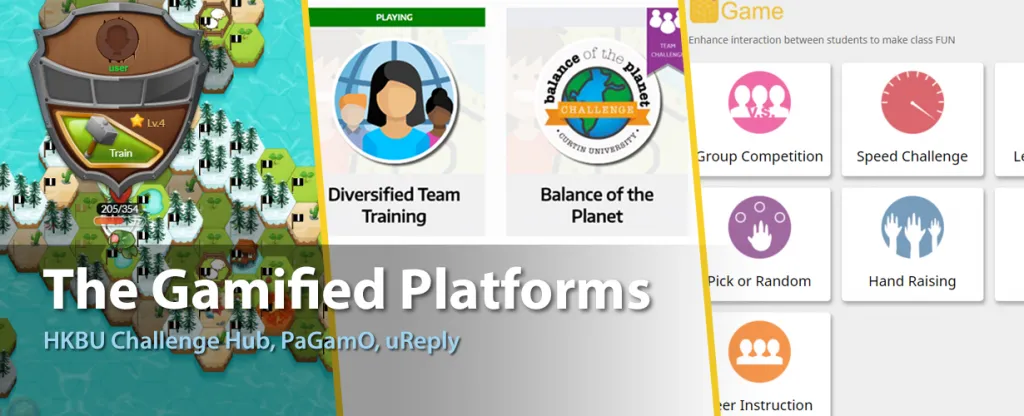
Gamified learning platforms are redefining how students and professionals approach education by blending traditional learning with game-like elements. Instead of passive lectures, learners now engage with interactive challenges, rewards, and progress tracking that make studying enjoyable and effective.
Imagine a middle school student who once dreaded math homework. After using a gamified platform, she began solving problems through quests and earning badges for achievements. What once felt like a chore became an exciting adventure, and her grades improved dramatically. This is the power of turning learning into play.
Why Gamified Learning Platforms Matter
Education has always struggled with keeping learners motivated. Gamified learning platforms solve this challenge by introducing elements like points, leaderboards, and rewards. These features tap into human psychology, encouraging persistence and curiosity.
Students feel a sense of accomplishment when they unlock levels or earn badges. Teachers benefit by tracking progress more effectively. Parents appreciate that their children are engaged and motivated to learn without constant reminders.
Benefits of Gamified Learning Platforms
The advantages of gamified learning platforms extend across age groups and industries.
Learners stay motivated because lessons feel like games. Knowledge retention improves as interactive challenges reinforce concepts. Teachers gain insights into student progress through analytics. Businesses use gamified training to upskill employees quickly and effectively.
For example, a corporate team used a gamified platform to learn cybersecurity basics. Employees competed in challenges, earning points for identifying threats. Engagement soared, and the company reduced risks significantly.
Real-World Applications of Gamified Learning Platforms
Across education and professional training, gamified learning platforms are being applied in innovative ways.
Schools use gamification to teach math, science, and languages. Universities integrate game-based modules into online courses. Companies train employees in compliance, leadership, and technical skills through gamified apps. Nonprofits use gamification to raise awareness and educate communities.
A language-learning app, for instance, turned vocabulary practice into daily challenges. Learners competed with friends, earning rewards for consistency. As a result, users stayed motivated and achieved fluency faster.
Challenges in Using Gamified Learning Platforms
Adopting gamified learning platforms comes with challenges.
Some learners may focus too much on rewards rather than understanding concepts. Poorly designed gamification can feel gimmicky and reduce effectiveness. Teachers and trainers must ensure that game elements align with learning objectives. Technical barriers, such as access to devices, can also limit adoption.
These challenges can be overcome with thoughtful design. Balancing fun with educational value ensures that gamification enhances rather than distracts from learning.
How to Start with Gamified Learning Platforms
The journey begins with identifying learning goals. Schools often start with gamified modules for subjects like math or language. Businesses may begin with compliance training or onboarding. Individuals can explore apps that gamify personal skill development, such as coding or fitness.
A startup introduced gamified onboarding for new employees. Instead of lengthy manuals, recruits completed interactive challenges to learn company policies. Engagement improved, and employees felt more connected to the organization.
The Human Side of Gamified Learning Platforms
It’s important to remember that gamified learning platforms are not just about technology—they’re about people. By making learning fun, these platforms build confidence and encourage collaboration.
Think of a student who once hesitated to participate in class. Through gamified quizzes, she gained points and recognition, boosting her confidence. Soon, she began contributing actively, transforming her learning experience.
Future Trends in Gamified Learning Platforms
The future of gamified learning platforms is exciting. Emerging technologies like augmented reality, virtual reality, and AI-driven personalization will make gamification even more immersive.
We’re moving toward adaptive platforms that adjust challenges in real time based on learner progress. Imagine a classroom where lessons transform into interactive adventures tailored to each student’s strengths and weaknesses. This level of personalization is becoming possible with gamification.
Building Trust with Gamified Learning Platforms
Trust is essential for learners and educators to embrace gamification. Platforms must ensure content quality, fairness, and accessibility. Transparency about how rewards and progress are measured builds confidence.
For example, a university offering gamified courses ensures that modules are designed by experienced faculty. By combining academic rigor with engaging game mechanics, the institution builds trust while delivering value.
