

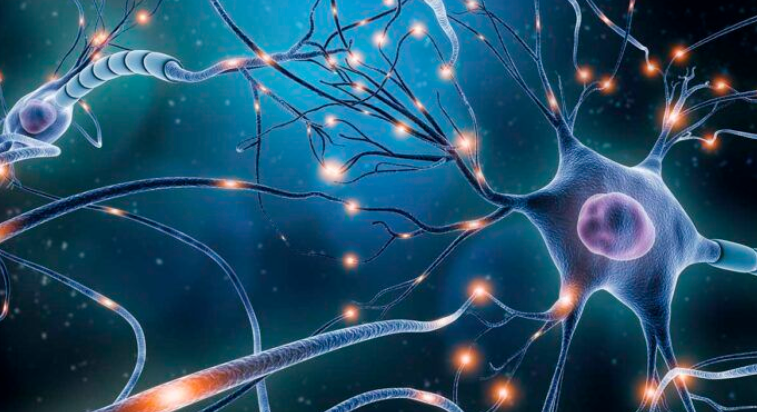
Healthcare systems across Europe are facing a growing challenge in managing complex and chronic diseases. Conditions such as cancer, autoimmune disorders, and neurological illnesses often involve multiple biological pathways, making them difficult to diagnose and treat effectively. In this context, AI systems-biology-driven omics is emerging as a powerful approach to improve how clinicians understand disease at a deeper level. By combining systems biology with advanced data analysis, this approach is helping unlock more precise insights into patient health.
The Complexity of Modern Diseases
Many diseases are no longer viewed as single-pathway conditions. Instead, they are understood as dynamic systems influenced by genetics, environment, immune response, and metabolic activity.
Traditional methods often focus on isolated biological signals, which can miss important interactions. This limitation is particularly evident in Europe, where healthcare providers manage diverse patient populations with varying disease profiles.
Without a comprehensive view, clinicians may struggle to fully understand disease progression or predict treatment outcomes.
What Systems Biology Brings to Omics Research
Systems biology focuses on understanding how different components of a biological system interact with each other. When combined with omics data, it allows researchers to study the body as an interconnected network rather than a collection of separate parts.
Artificial intelligence enhances this approach by analyzing large datasets and identifying relationships that are not immediately visible. Together, they provide a more complete picture of disease biology.
Key advantages of this approach include:
-
Understanding how multiple biological pathways interact
-
Identifying key drivers of disease progression
-
Revealing hidden patterns across complex datasets
-
Supporting more accurate clinical insights
This holistic perspective is essential for advancing precision medicine.
Improving Patient Stratification in Clinical Practice
One of the most practical applications of this approach is the development of patient stratification biomarkers. These biomarkers help group patients based on their underlying biological characteristics rather than just clinical symptoms.
This is important because patients with the same diagnosis may respond differently to treatment. By identifying distinct biological profiles, clinicians can tailor therapies more effectively.
In European healthcare systems, where resources must be used efficiently, better stratification helps:
-
Match patients with the most suitable treatments
-
Reduce unnecessary interventions
-
Improve overall treatment outcomes
This leads to more personalized and efficient care.
Enhancing Clinical Decision Making
AI-driven systems biology approaches provide clinicians with more actionable insights. Instead of relying on limited data, they can access a broader understanding of how a disease is behaving in a specific patient.
This improves decision-making at multiple stages, including diagnosis, treatment selection, and monitoring. It also helps clinicians anticipate how a disease might progress, allowing for more proactive care.
In Europe, where healthcare systems are increasingly adopting digital tools, these capabilities are becoming an important part of modern clinical practice.
Supporting Research and Innovation Across Europe
Europe has a strong network of research institutions, hospitals, and industry collaborations. These partnerships create an ideal environment for advancing systems biology-driven approaches.
By integrating AI with omics data, researchers can:
-
Accelerate biomarker discovery
-
Improve the design of clinical trials
-
Identify new therapeutic targets
-
Enhance collaboration across institutions
This not only strengthens research outcomes but also helps translate findings into real-world applications more quickly.
The Role of Nexomic in Advancing This Field
Nexomic is contributing to this evolving landscape by combining artificial intelligence with multi-omics integration to generate meaningful clinical insights. Its focus on actionable biomarkers supports both research and clinical care.
By aligning advanced data analysis with practical healthcare needs, Nexomic helps bridge the gap between scientific discovery and clinical application in Europe.
Conclusion
The integration of systems biology with artificial intelligence is transforming how complex diseases are understood and managed. By providing a more complete view of biological systems, this approach enables better diagnosis, treatment, and patient outcomes.
As healthcare continues to evolve in Europe, organizations like Nexomic are helping drive innovation by turning complex data into actionable insights. For clinicians and researchers, adopting advanced approaches to disease analysis can significantly improve the quality and effectiveness of care.
