


Upgrading from an HDB flat to a private condominium represents a major milestone for many Singaporean homeowners. However, the transition often presents a classic financial dilemma: should you buy your new home before selling your current flat? Acquiring a premium property like the Thomson Reserve condo before finalizing your HDB sale offers convenience, as it spares your family from moving twice or renting temporary housing. But this path requires careful financial planning to avoid hefty upfront costs and tight regulatory timelines. Understanding the rules, taxes, and funding options makes this transition smooth and financially viable.
Managing the Additional Buyer’s Stamp Duty (ABSD)
The biggest hurdle when buying a private home before selling your HDB flat is the Additional Buyer’s Stamp Duty (ABSD). Under current Singapore regulations, the government views your new private property purchase as a second residential property. Consequently, Singapore citizens must pay a hefty upfront ABSD on the transitional purchase. For instance, if you secure a unit near Lucerne Grand or another premium district, you must prepare to pay this tax within 14 days of signing the Sale and Purchase Agreement.
ABSD Remission Rules
Fortunately, married couples can apply for a refund of this ABSD. To qualify for this remission, you must sell your first residential property (the HDB flat) within six months of the temporary occupation permit (TOP) date of the new condo, or within six months of the purchase date if you buy a completed resale unit. Additionally, the married couple must remain the joint owners of both properties during this transitional period. This means you must have sufficient liquidity or CPF savings to pay the ABSD upfront, even though you will eventually get the money back after selling your flat.
Managing Loan-to-Value (LTV) Limits and Cash Flow
Securing a home loan for your new private property while holding an active HDB mortgage triggers strict Loan-to-Value (LTV) limits. If your current HDB loan remains outstanding, banks can only lend you up to 45% of the purchase price for your second property, compared to the standard 75% for a first loan. This means you must cover the remaining 55% of the purchase price using cash and CPF savings. For a premium development like the Thomson Reserve condo, this requirement translates to a massive upfront cash outlay.
Leveraging Bridging Loans
To bridge this financial gap, financial institutions offer short-term bridging loans. A bridging loan provides the necessary funds to cover the down payment of your new condo while you wait for the proceeds from your HDB flat sale. These loans typically carry higher interest rates and must be repaid within six months. You must obtain a formal option to purchase (OTP) for your HDB flat to prove to the bank that your sale is underway. Relying on a bridging loan demands precise execution, as any delay in your HDB sale can lead to compounding interest charges and financial strain.
The Critical Role of the HDB Minimum Occupation Period (MOP)
Before you attend any showflats or sign an option agreement, you must verify your eligibility to acquire private property. Under HDB regulations, flat owners must fulfill a five-year Minimum Occupation Period (MOP) before they can purchase private residential units. This rule applies regardless of whether you plan to keep or sell your flat. If you try to purchase a unit in the scenic Lucerne Grand residential enclave before your MOP ends, you risk facing severe penalties from HDB, including forced acquisition of your flat.
Timing Your Purchase Strategy
Calculating your exact MOP completion date is the first step in your upgrading timeline. You can check this status easily through the My HDBPage portal. Once you clear this milestone, you gain the legal right to purchase private property. However, timing the market is just as critical as meeting regulatory dates. You should monitor property transaction trends in both your current HDB neighborhood and your target private residential areas. Selling your flat during a seller’s market while buying your condo during a minor market correction can save you tens of thousands of dollars, making your upgrading journey far more comfortable.
Coordinating the Timeline to Avoid Double Relocation
One of the primary reasons buyers choose to buy a private home before selling their HDB flat is to avoid moving twice. Moving into a temporary rental home while waiting for a new condo to be built or renovated is exhausting and expensive. By planning your timeline carefully, you can transition directly from your old flat into your new home. For instance, if you buy a completed unit at the Thomson Reserve condo or a newly completed development near Lucerne Grand, you can coordinate the completion dates of both transactions.
Utilizing HDB’s Temporary Extension of Stay
To achieve a seamless transition, you can negotiate a temporary extension of stay with the buyers of your HDB flat. HDB allows sellers to apply for up to three months of extension after the resale completion. This arrangement gives you the necessary time to complete renovations, set up utilities, and move your belongings into your new condominium without rushing. Ensure that your real estate agent drafts this agreement clearly in the resale application. This buffer protects your family from unexpected delays in the hand-over process, giving you peace of mind during a complex financial transition.
Conclusion
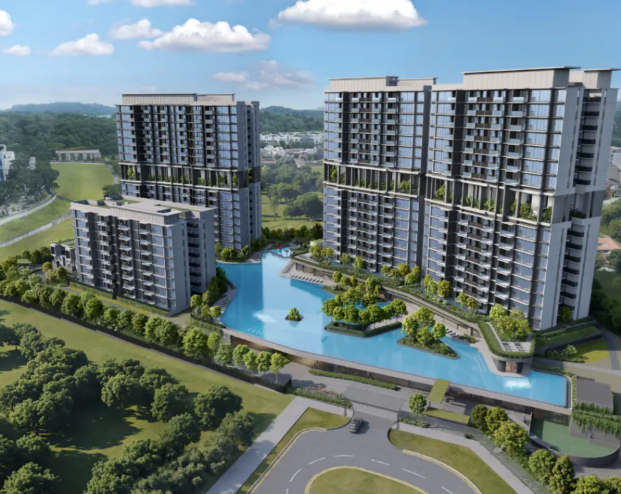
Upgrading to a private condominium before selling your HDB flat is an attractive path that minimizes household disruption. While the upfront costs, such as ABSD and larger down payments, present significant hurdles, strategic financial tools like bridging loans and tax remissions make the process manageable. By carefully verifying your MOP status, calculating your cash flow, and coordinating your transaction timelines, you can successfully secure your dream home without unnecessary stress. With careful planning and professional guidance, you can confidently take the next step in your property journey and enjoy the comforts of modern condominium living.